
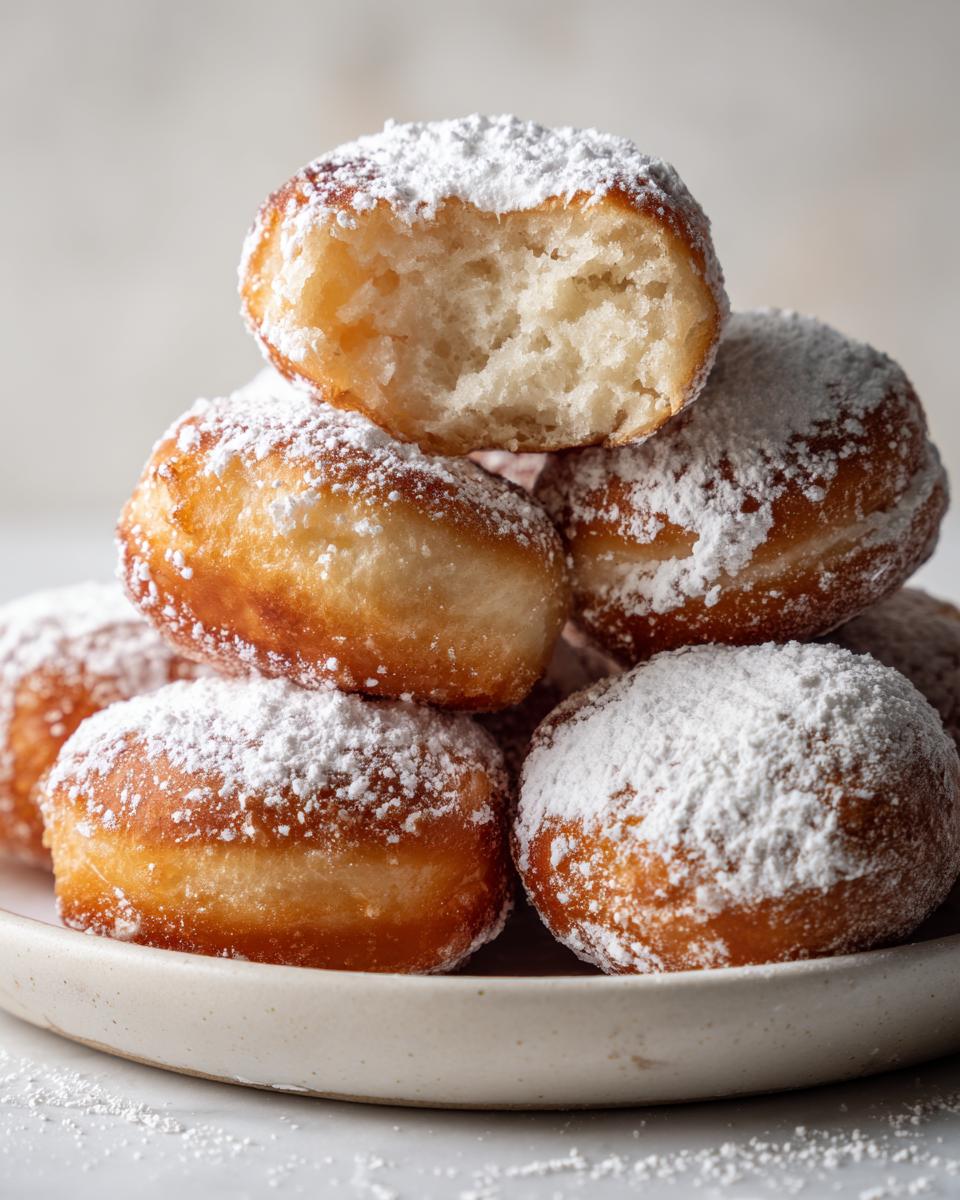
Oh, you’re in for a treat! There’s nothing quite like biting into a warm, fluffy vanilla French beignet first thing in the morning – that delicate crunch giving way to pillowy softness, the sweet vanilla scent mingling with the rich aroma of fried dough. I still remember my first taste at a tiny Parisian café years ago, where the baker handed me a paper bag of these golden puffs dusted with snowy powdered sugar. That moment changed my breakfast game forever. Now I make them regularly at home – they’re surprisingly easy but feel so indulgent. Perfect for lazy weekends when you want to start the day with something magical.
Why You’ll Love These Vanilla French Beignets
Trust me, once you try these beauties, you’ll understand why I’m obsessed! Here’s what makes them so special:
- Lightning fast – From bowl to plate in under 30 minutes (yes, really!)
- Easier than pancakes – Just mix, drop, fry, and dust with sugar
- Cloud-like texture – That perfect balance of crispy outside and airy inside
- Just sweet enough – The vanilla shines without being cloying
- Breakfast magic – Turns any ordinary morning into something special
My kids call them “doughnut clouds” – need I say more?
Ingredients for Amazing Vanilla French Beignets
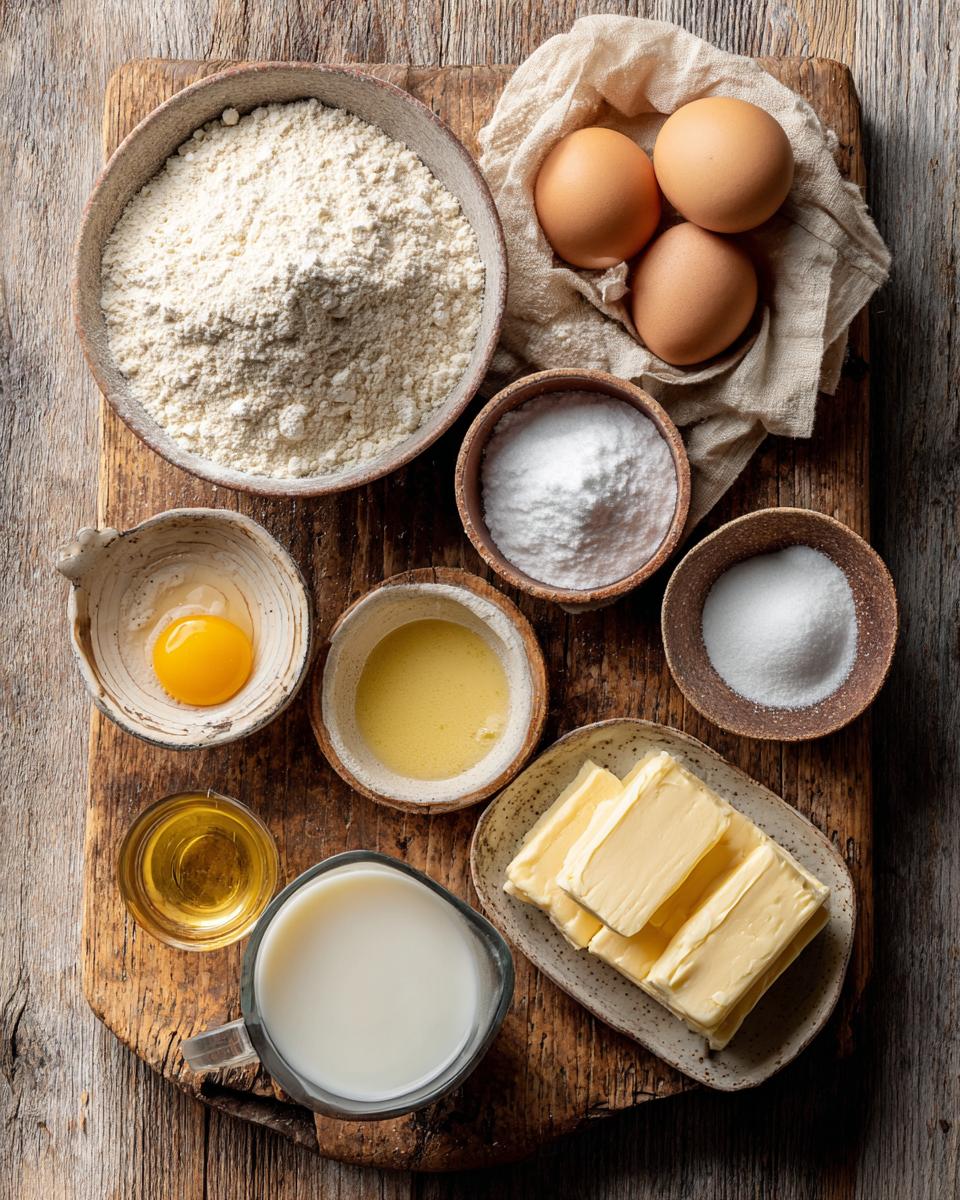
Now, let’s talk ingredients – this is where the magic starts! I’ve learned through trial and error that using the right ingredients, prepped just so, makes all the difference between good beignets and oh-my-goodness beignets. Here’s exactly what you’ll need:
- 2 cups all-purpose flour (sifted – trust me, it matters for that airy texture)
- 1/4 cup granulated sugar (this gives just the right sweetness without overpowering the vanilla)
- 1 teaspoon baking powder (fresh is best – check the date!)
- 1/4 teaspoon salt (don’t skip this – it balances all the flavors)
- 1/2 cup whole milk (room temperature – cold milk can make the batter too dense)
- 1 large egg (also at room temperature – I leave mine out about 30 minutes before)
- 2 tablespoons unsalted butter (melted and slightly cooled – don’t add it piping hot!)
- 1 teaspoon pure vanilla extract (splurge on the good stuff here – it makes all the difference)
- Vegetable oil for frying (about 4 cups – you want at least 2 inches deep in your pan)
- Powdered sugar for dusting (lots of it – be generous!)
A quick pro tip: Measure your flour correctly by spooning it into the measuring cup and leveling it off. Scooping straight from the bag can pack in too much flour. And yes, that vanilla extract measurement is exact – I once accidentally doubled it and learned my lesson about overpowering vanilla (though my kitchen smelled amazing!).
Essential Equipment for Making Vanilla French Beignets
You don’t need fancy gadgets for perfect beignets, just these trusty tools I always grab from my kitchen:
- Deep, heavy-bottomed pan (I use my grandma’s cast iron skillet – it holds heat beautifully)
- Candy/fry thermometer (non-negotiable for that perfect 350°F oil)
- Two mixing bowls (one for dry, one for wet ingredients)
- Slotted spoon or spider strainer (for fishing out those golden puffs safely)
- Paper towel-lined plate (for draining – though I sometimes use a baking rack too)
That’s it! No stand mixer needed – just good old-fashioned elbow grease and these basics.
How to Make Amazing Vanilla French Beignets for Breakfast
Okay, let’s get frying! I’ve made this recipe countless times, and each step builds toward that perfect beignet. Follow along closely – I’ll share all my little tricks for success.
Mixing the Batter
First things first – grab those two bowls we talked about earlier. In your dry ingredients bowl, whisk together the flour, sugar, baking powder and salt until they’re completely uniform. See how light and fluffy that flour looks after sifting? That’s exactly what we want!
Now for the wet team: In your second bowl, whisk the milk, egg, melted butter and vanilla like you’re making them best friends. Don’t go crazy though – just until everything’s happily combined. Here comes the magic part…
Make a little well in your dry ingredients and pour in the wet mixture. This is where restraint is key – stir gently with a wooden spoon or silicone spatula JUST until no dry flour remains. I mean it – stop when you still see a few lumps! Overmixing leads to tough beignets, and we’re going for cloud status here.
Frying the Beignets
While your batter rests (about 5 minutes is perfect), pour oil into your deep pan until it’s about 2 inches deep. Attach your thermometer and heat over medium until it hits that golden 350°F. Pro tip: If you don’t have a thermometer, test with a tiny bit of batter – it should sizzle and float immediately.
Now the fun begins! Using two spoons (or a small cookie scoop if you’re fancy), carefully drop tablespoon-sized dollops of batter into the oil. Don’t overcrowd – give them room to puff up properly! I usually do 4-5 at a time in my 10-inch skillet.
Set your timer for 2 minutes – the beignets will tell you when they’re ready to flip by floating to the surface and turning golden on the bottom. Use your slotted spoon to gently flip them and fry another 2 minutes until uniformly golden brown. That smell? Pure breakfast bliss!
Serving the Beignets
Transfer your golden beauties to the paper towel-lined plate to drain – but don’t wait too long! The absolute BEST way to serve beignets is warm with a mountain of powdered sugar. I like to toss them in a paper bag with powdered sugar and give it a gentle shake – it coats them perfectly with snowy sweetness.
Now comes the hardest part – resisting the urge to eat them all yourself! These vanish quickly at my house, usually accompanied by lots of “mmm” sounds and powdered sugar mustaches. They’re best enjoyed fresh, ideally with a strong cup of coffee or hot chocolate.
Tips for Perfect Vanilla French Beignets Every Time
After countless batches (and a few early disasters!), I’ve discovered the little tricks that guarantee perfect beignets every single time. These are my can’t-live-without secrets:
- Thermometer is your best friend – I can’t stress this enough. That perfect 350°F oil temperature makes all the difference between golden perfection and greasy sadness. Too hot burns them, too cool makes them oil-logged.
- Give them breathing room – Crowding the pan is the #1 mistake new beignet makers make. Those puffs need space to float and expand properly. I do 4-5 at a time in my big skillet – any more and they’ll stick together and cook unevenly.
- Test with a tiny bit first – Before committing a whole batch, drop a teaspoon of batter in to test. If it doesn’t immediately sizzle and float, your oil isn’t ready yet. This simple test saved me from many bad batches!
- Keep your batter lumpy – I know it’s tempting to keep stirring until smooth, but resist! Those little flour lumps will disappear during frying, and your beignets will stay light instead of tough.
- Work in batches and keep warm – If making lots, keep finished beignets in a 200°F oven on a wire rack. This keeps them crisp while you fry the rest – no one likes lukewarm beignets!
The best part? Once you get these techniques down, you’ll be making beignet magic without even thinking about it. My kids now stand by the stove with their plates ready, knowing exactly when the perfect batch is coming out!
Common Questions About Vanilla French Beignets
I’ve gotten so many great questions about these beignets over the years – seems like everyone wants to make them just right! Here are the ones that pop up most often, along with my tried-and-true answers:
Can I use buttermilk instead of whole milk?
Absolutely! Buttermilk adds a lovely tang that balances the sweetness beautifully. Just use the same amount (1/2 cup) – your beignets might puff up even more thanks to buttermilk’s acidity reacting with the baking powder. I sometimes add a pinch more vanilla when using buttermilk to keep that flavor shining through.
How should I store leftovers?
Honestly? There are rarely leftovers in my house! But if you must, let them cool completely, then store in an airtight container at room temperature for up to 1 day. They lose that magical crispness overnight, so I revive them by popping in a 350°F oven for 3-4 minutes before serving. Just know they’re truly best fresh – consider halving the recipe if you’re cooking for one or two.
Can I make the batter ahead?
Here’s my confession – I’ve tried refrigerating the batter overnight, and it’s just not the same. The baking powder loses its oomph, resulting in denser beignets. Instead, measure all your dry ingredients the night before and leave them covered on the counter. In the morning, just mix with the wet ingredients – you’ll shave off precious minutes without sacrificing quality!
Why do my beignets sometimes turn out oily?
Oh honey, we’ve all been there! This usually means one of three things:
- The oil wasn’t hot enough (always use that thermometer!)
- The beignets weren’t draining properly after frying (paper towels are crucial)
- The batter was overmixed (remember – lumpy is good!)
Next time, check your oil temperature religiously and don’t skip the draining step – it makes all the difference.
Can I bake these instead of frying?
I’ll be honest – baking makes something delicious, but they won’t be true French beignets. That magical crisp exterior and airy interior come from frying. If you must bake, try dropping spoonfuls onto parchment at 400°F for about 10 minutes, flipping halfway. They’ll be more like vanilla puff biscuits – tasty, but don’t expect that classic beignet texture.
Variations for Your Vanilla French Beignets
Once you’ve mastered the classic version, try these fun twists! My personal favorite? Adding a teaspoon of orange zest to the batter – it makes the vanilla sing. For cinnamon lovers, toss warm beignets in a mix of cinnamon and granulated sugar instead of powdered. Feeling fancy? Drizzle with melted chocolate or caramel sauce. My kids beg for “confetti beignets” with rainbow sprinkles mixed into the batter. The possibilities are endless, but no matter how you dress them up, that light, fluffy texture will always shine through!
Nutritional Information for Vanilla French Beignets
Now, let’s talk about the reality of these indulgent treats – they’re not exactly a health food, but sometimes you just need a little joy in your morning, right? The nutritional values here are estimates and can vary depending on the specific ingredients and brands you use. Factors like how much oil the beignets absorb during frying or how heavily you dust them with powdered sugar can make a difference.
That said, these beignets are all about balance. They’re rich in flavor but still light in texture, making them a perfect occasional treat. If you’re watching your intake, consider pairing one or two with fresh fruit or a protein-rich side to round out your breakfast. Remember, food is about more than just numbers – it’s about the experience, the memories, and the smiles these golden puffs bring to your table!
Share Your Vanilla French Beignets Experience
Nothing makes me happier than hearing about your beignet adventures! Did yours puff up into perfect golden clouds? Maybe you discovered a brilliant new variation we should all try? I still remember the first time my neighbor made these – she added a dash of almond extract and now I can’t decide which version I love more. Drop me a note in the comments about how yours turned out, or share that proud “first batch” photo with me. Every time someone tells me they’ve recreated that magical Parisian café moment in their own kitchen, it makes my day. These beignets have brought so much joy to my family’s breakfast table – I’d love to hear how they’re brightening yours too!
PrintVanilla French Beignets for Breakfast

Fluffy and light vanilla French beignets, perfect for a sweet breakfast treat.
- Prep Time: 10 minutes
- Cook Time: 15 minutes
- Total Time: 25 minutes
- Yield: 12 beignets 1x
- Category: Breakfast
- Method: Frying
- Cuisine: French
- Diet: Vegetarian
Ingredients
- 2 cups all-purpose flour
- 1/4 cup granulated sugar
- 1 tsp baking powder
- 1/4 tsp salt
- 1/2 cup whole milk
- 1 large egg
- 2 tbsp unsalted butter, melted
- 1 tsp vanilla extract
- Vegetable oil for frying
- Powdered sugar for dusting
Instructions
- In a bowl, whisk flour, sugar, baking powder, and salt.
- In another bowl, mix milk, egg, melted butter, and vanilla.
- Combine wet and dry ingredients until just mixed.
- Heat oil in a deep pan to 350°F (175°C).
- Drop spoonfuls of batter into the hot oil.
- Fry until golden brown, about 2 minutes per side.
- Drain on paper towels and dust with powdered sugar.
Notes
- Do not overmix the batter to keep beignets light.
- Use a thermometer for accurate oil temperature.
- Serve warm for best texture.
Nutrition
- Serving Size: 1 beignet
- Calories: 120
- Sugar: 6g
- Sodium: 60mg
- Fat: 5g
- Saturated Fat: 2g
- Unsaturated Fat: 2g
- Trans Fat: 0g
- Carbohydrates: 16g
- Fiber: 0.5g
- Protein: 2g
- Cholesterol: 20mg