
Oh my gosh, shrimp scampi—just saying it makes my mouth water! This garlicky, buttery dish has saved my bacon more times than I can count when I need something fancy-tasting but ridiculously easy. I first fell in love with it during college when my roommate’s Italian grandma taught us her “emergency dinner” version. Fifteen minutes, pantry staples, and BOOM—you’ve got a restaurant-worthy meal that makes everyone think you slaved all day. The magic happens when plump shrimp meet sizzling garlic butter and a splash of White grape juice (though broth works in a pinch!). It’s the kind of dish that feels special but couldn’t be simpler to pull off.
Ingredients for Shrimp Scampi
Here’s the beautiful thing about shrimp scampi—you probably have most of this stuff already! But let me tell you exactly what you’ll need to make it shine. I’m a stickler for fresh ingredients where it counts, but I’ll also give you some smart shortcuts.
- 1 lb large shrimp – peeled and deveined (fresh is best, but thawed frozen works in a pinch—just pat them DRY)
- 4 tbsp unsalted butter – because everything’s better with real butter (trust me, don’t sub margarine here)
- 3 cloves garlic – minced fine (more if you’re garlic-obsessed like me—I won’t tell!)
- 1/4 cup White grape juice – a dry Pinot Grigio works great, but chicken broth works if you’re avoiding alcohol
- 1 tbsp lemon juice – fresh squeezed, please! That bottled stuff just isn’t the same
- 2 tbsp chopped parsley – flat-leaf Italian parsley gives that vibrant fresh flavor
- 1/2 tsp salt – I use kosher salt for better control
- 1/4 tsp black pepper – freshly cracked is ideal
- 8 oz linguine or spaghetti – cooked al dente (reserve some pasta water—it’s liquid gold for the sauce!)
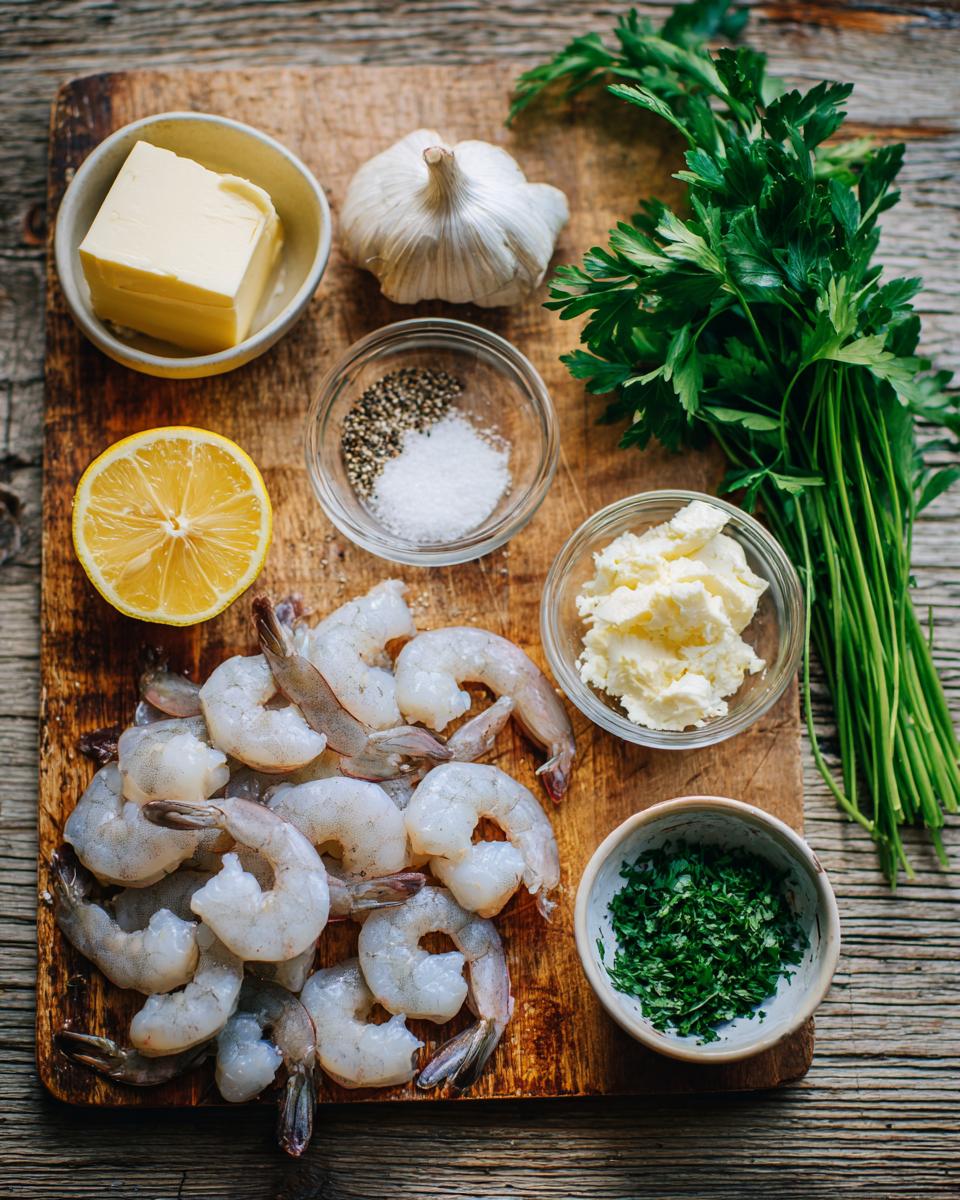
See? Nothing crazy! Just good, simple ingredients that come together like magic. Pro tip: Have everything prepped and ready to go before you start cooking—this dish comes together FAST once the shrimp hit the pan.
How to Make Shrimp Scampi
Okay, let’s get cooking! This shrimp scampi comes together faster than you can say “pass the garlic bread,” but there are a few key steps that make all the difference. I’ll walk you through each stage—from perfectly cooked pasta to that magical moment when everything comes together in buttery, garlicky harmony.
Cooking the Pasta
First things first—get your pasta water boiling! Use a big pot with plenty of salted water (it should taste like the sea). Drop in your linguine or spaghetti and cook it just until al dente—that means it’s got a tiny bit of bite left. Check the package timing, but start testing a minute or two early. Here’s my golden rule: undercook it slightly because it’ll finish cooking in the sauce later.
Oh! And this is crucial—before you drain the pasta, scoop out about 1/2 cup of that starchy pasta water. It’s like liquid gold for adjusting your sauce later. Trust me, you’ll thank me when your scampi sauce clings perfectly to every noodle.
Preparing the Shrimp
While your pasta’s cooking, let’s tackle the shrimp. Heat a large skillet over medium heat—not too hot, or your butter will burn before the garlic gets golden. Melt that glorious butter until it’s foamy, then add your minced garlic. Now here’s where you need to pay attention: sauté the garlic just until fragrant (about 30 seconds). Any longer and it’ll turn bitter—we want sweet, mellow garlic flavor.
Add your shrimp in a single layer (don’t crowd the pan or they’ll steam instead of sear). Cook them about 2 minutes per side until they turn pink and curl into cute little “C” shapes. Watch closely—overcooked shrimp turn rubbery fast! If they start looking opaque around the edges, flip ’em pronto.
Combining the Dish
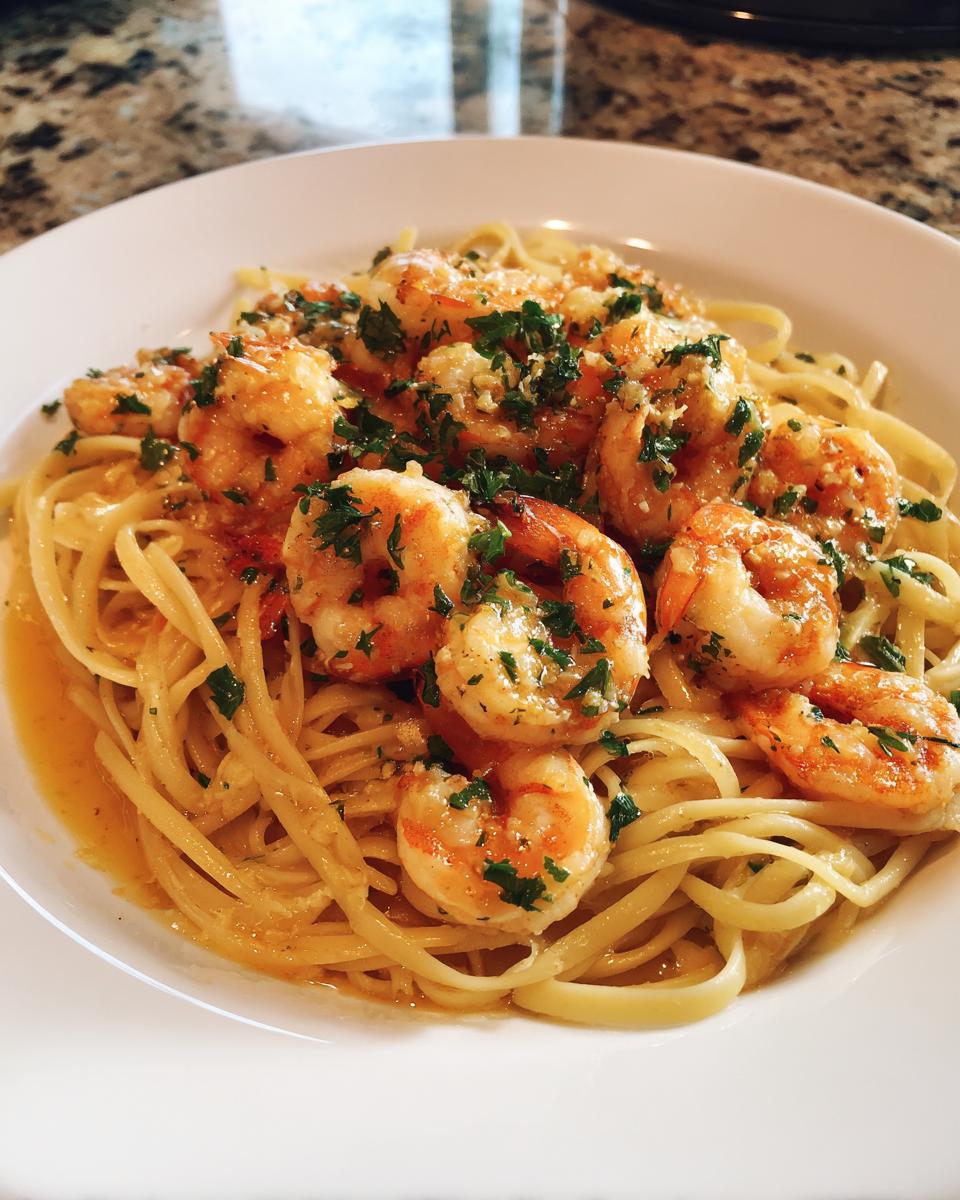
Now for the fun part! Pour in your White grape juice (or broth) and lemon juice—it’ll sizzle and steam up beautifully. Let it simmer for about 2 minutes to cook off the alcohol and reduce slightly. Season with salt and pepper, then toss in your cooked pasta and parsley. Use tongs to gently coat everything in that luscious sauce.
If the sauce seems too thick, splash in some of that reserved pasta water a tablespoon at a time until it’s silky perfection. Serve immediately with extra parsley and lemon wedges if you’re feeling fancy. And don’t forget the crusty bread for mopping up every last drop of that garlic butter sauce!
Why You’ll Love This Shrimp Scampi
Listen, I get it—there are a million shrimp scampi recipes out there. But this one? This one’s special. Here’s why I keep coming back to it night after night (and why my friends beg me to make it whenever they come over):
- Faster than takeout: Seriously, from fridge to table in under 25 minutes. Those shrimp cook up so quick you’ll be eating before your stomach even finishes growling.
- Tastes like a fancy restaurant: That glossy garlic-butter sauce coating every strand of pasta? The plump, juicy shrimp? Nobody needs to know how embarrassingly easy this was to make.
- Pantry-friendly magic: No weird ingredients here! I’ve made this with frozen shrimp when desperate and White grape juice for broth—it still tastes incredible every single time.
- Crowd-pleasing versatility: Serve it over pasta, zucchini noodles, or even just with crusty bread for dipping. Leftovers? Toss ’em in tacos tomorrow.
- Feels special without the stress: Perfect for date nights, last-minute guests, or when you just need to treat yourself after a long day. Bonus points if you eat it straight from the skillet—I won’t judge!
Honestly, once you’ve made this shrimp scampi once, it’ll become your secret weapon too. My sister calls it my “emergency fancy meal” for good reason!
Tips for Perfect Shrimp Scampi
Alright, let me spill all my hard-earned shrimp scampi secrets! I’ve made every mistake possible over the years—from rubbery shrimp to burnt garlic—so you don’t have to. These little tricks will take your dish from “good” to “oh-my-gosh-can-I-have-the-recipe” status.
Garlic is your friend (but don’t murder it)
That moment when garlic turns from golden to burnt? Absolute tragedy. I keep my heat at medium and stir constantly—30 seconds max for minced garlic. If you’re nervous, take the pan off the heat while adding it. And listen, if you love garlic as much as I do, add an extra clove, but never compromise on freshness. That pre-minced stuff in jars? Not in my kitchen!
Shrimp need their personal space
Crowd the pan, and you’ll end up steaming instead of searing those beautiful shrimp. I use my biggest skillet and cook in batches if needed. Watch for the color change—they’re ready to flip when the bottoms turn pink and the edges start looking opaque. And please, for the love of all that’s delicious, take them off the heat the second they curl into “C” shapes. Overcooked shrimp should be a crime!
Fresh lemon juice makes all the difference
That little plastic lemon might be convenient, but fresh juice brightens the whole dish. I roll my lemons on the counter first (helps release more juice), then cut them in half crosswise for easier squeezing. Pro tip: zest some lemon peel into the sauce too—those little yellow flecks make it look gorgeous and add an extra flavor pop.
Butter temperature matters more than you think
Cold butter straight from the fridge? Disaster waiting to happen. I leave mine out for 30 minutes before cooking—it should be soft but not melted. And when adding it to the pan, let it foam but not brown (that’s about 350°F if you’re using a thermometer). Burnt butter makes the whole sauce taste bitter, and we definitely don’t want that!
Salt your pasta water like the ocean
I know it seems like a lot, but properly salted water seasons the pasta from the inside out. My Italian friend taught me to taste the water—it should remind you of seawater. And that starchy pasta water you reserved? It’s not just for thinning the sauce. The starch helps the butter emulsify into that silky, clingy texture that coats every noodle perfectly.
There you have it—my tried-and-true tricks for shrimp scampi perfection. The best part? Once you get the hang of these, you can start playing around and making the recipe your own. Just don’t tell my Italian roommate’s grandma I said that!
Shrimp Scampi Variations
One of my favorite things about shrimp scampi is how easily you can play with it! While the classic version will always have my heart, sometimes you need to mix things up based on what’s in your fridge or who’s coming to dinner. Here are my go-to twists that still keep that irresistible garlic-butter magic:
Spice it up with chili flakes or paprika
If you’re like me and love a little heat, this variation’s for you. I add a pinch of red pepper flakes to the garlic butter—just enough to make your lips tingle without overpowering the shrimp. Sometimes I’ll use smoked paprika instead for a deeper, earthier kick. My brother insists on adding both, but that’s when I reach for the extra White grape juice!
Swap the protein (when shrimp aren’t an option)
No shrimp? No problem! I’ve made this with chicken (slice it thin so it cooks fast), scallops (divine when seared properly), or even firm tofu for my vegetarian friends. The key is adjusting the cooking time—chicken needs about 5-7 minutes per side, while scallops cook as fast as shrimp. Just keep that garlic butter ratio the same, and you’re golden.
Go gluten-free with zucchini noodles or chickpea pasta
When my gluten-free bestie comes over, I spiralize zucchini into “zoodles” or use chickpea pasta—both work surprisingly well! The trick with zoodles is to salt them lightly, let them drain for 10 minutes (so they don’t water down your sauce), then just warm them through in the pan at the end. Chickpea pasta needs a quick rinse after cooking to prevent stickiness, but it soaks up that garlic butter like a dream.
Make it creamy with a splash of heavy cream
For special occasions, I’ll stir in 1/4 cup of heavy cream after the White grape juice reduces—it creates this luxurious, velvety sauce that clings to every bite. My husband calls this the “date night version.” Just don’t let it boil hard after adding the cream, or it might separate. A little grated Parmesan at the end takes it over the top!
Summer twist with cherry tomatoes and basil
When my garden’s overflowing with tomatoes, I halve a handful of cherry ones and toss them in with the shrimp. They burst and create this sweet-tart contrast to the rich sauce. I swap parsley for fresh basil in this version—it smells like summer in a bowl. Sometimes I’ll even add a drizzle of balsamic glaze if I’m feeling fancy.
The beauty of shrimp scampi is how forgiving it is—once you’ve mastered the basics, you can riff on it endlessly. My only rule? Always keep that glorious garlic-butter foundation. Everything else is just playing with delicious possibilities!
Serving Suggestions for Shrimp Scampi
Okay, let’s talk about the best part—what to serve with this glorious shrimp scampi! I’ve tried every combo imaginable over the years, and these are my absolute favorite pairings that turn this quick dish into a complete meal. Whether you’re feeding a crowd or just treating yourself, these sides make everything feel extra special.
Crusty garlic bread (non-negotiable!)
Listen, if there’s garlic butter sauce involved, you need something to soak it all up! I grab a baguette, slice it thick, and toast it with garlic butter under the broiler until golden. Sometimes I’ll rub the toasted bread with a raw garlic clove for extra punch—just don’t kiss anyone afterward! Pro tip: Make extra bread because people will fight over the last piece.
A simple green salad to cut the richness
That buttery pasta needs something fresh to balance it out. My go-to is mixed greens with lemon vinaigrette—the acidity cleanses your palate between bites. In summer, I’ll add sliced cucumbers and cherry tomatoes; in winter, maybe some shaved fennel. Keep it simple so it doesn’t compete with the star of the show.
Roasted asparagus or broccoli
When I want something heartier than salad, roasted veggies are perfect. Toss asparagus spears with olive oil, salt, and pepper, then roast at 425°F until tender (about 12 minutes). The caramelized edges pair beautifully with the shrimp. Broccoli works great too—just chop it into florets and roast until the edges get crispy.
A crisp White grape juice (or sparkling water with lemon)
If you’re drinking, a chilled Pinot Grigio or Sauvignon Blanc complements the garlic and lemon perfectly. For non-alcoholic options, I love sparkling water with lemon slices or even an iced herbal tea. My Italian friend insists the White grape juice should match what you cooked with—but honestly, whatever makes you happy works!
Bonus: The “lazy dinner” approach
Some nights (okay, most nights), I skip sides entirely and just make extra shrimp scampi. It’s a complete meal all by itself! I might sprinkle some Parmesan on top if I’m feeling fancy, or add a squeeze more lemon. And if there’s any sauce left? You better believe I’m drinking it straight from the pan—no shame in my game!
Remember, there are no wrong answers here—the best pairing is whatever makes your taste buds happy. Though if you skip the garlic bread, we might need to have a serious talk…
Storing and Reheating Shrimp Scampi
Let’s be real—leftover shrimp scampi is a rare occurrence in my house because we usually inhale it all in one sitting. But on the off chance you have some to save (or you’re meal-prepping like a boss), here’s exactly how to keep it tasting fresh and delicious. The key is treating those shrimp with love—they can turn rubbery fast if handled wrong!
Fridge storage do’s and don’ts
First rule: Cool it down fast! I spread my leftover scampi in a shallow container (no more than 2 inches deep) and pop it in the fridge uncovered for about 20 minutes. This prevents condensation from making everything soggy. Then I seal it tight—it’ll keep for up to 2 days, though the texture’s best within 24 hours. Pro tip: Store the pasta and sauce together—separating them dries everything out.
Freezing? Here’s the smart way
I’ll be honest—freezing cooked shrimp scampi isn’t ideal, but it can work in a pinch. The trick is freezing just the shrimp and sauce (no pasta). Portion it into freezer bags with all the air squeezed out, then lay them flat to freeze. They’ll keep for about a month. When ready to use, thaw overnight in the fridge and toss with freshly cooked pasta. The texture won’t be quite as perfect, but it’ll still taste miles better than takeout!
Reheating without the rubber shrimp effect
This is where most people go wrong—microwaving turns shrimp into little pink erasers! My method? A skillet with a splash of water or broth over medium-low heat. Stir gently until just warmed through—about 3-4 minutes max. If the sauce seems thick, add a tablespoon of water or (even better) a splash of White grape juice to loosen it up. The microwave can work in emergencies—use 50% power in 30-second bursts, stirring between each.
Reviving day-old scampi like a pro
If your leftovers seem a bit dry, here’s my secret weapon: a pat of fresh butter stirred in while reheating. It brings back that luscious silkiness instantly! Sometimes I’ll also squeeze in a fresh lemon wedge to brighten things up. And if you stored your pasta separately? Toss it with a tiny bit of olive oil before refrigerating—it prevents clumping when you reheat.
Remember, shrimp scampi is always best fresh, but with these tricks, your leftovers will still taste pretty darn close to the real deal. Just promise me you won’t nuke it into oblivion—those precious shrimp deserve better!
Shrimp Scampi FAQs
After years of making this dish weekly (okay, sometimes daily), I’ve answered every shrimp scampi question imaginable! Here are the ones I get most often—along with my brutally honest answers from the kitchen trenches.
Can I use frozen shrimp?
Absolutely! I keep a bag of frozen raw shrimp in my freezer for emergencies. Just thaw them overnight in the fridge or under cold running water, then pat them SUPER dry with paper towels before cooking. The texture won’t be quite as perfect as fresh, but it’s still delicious. Pro tip: Avoid pre-cooked frozen shrimp—they turn rubbery when reheated in the sauce.
What’s the best White grape juice substitute?
Chicken or vegetable broth works great—just add an extra squeeze of lemon to balance the flavors. My Italian neighbor swears by a tablespoon of White grape juice vinegar mixed with water in a pinch. Whatever you do, don’t use White grape juice unless you want pink, oddly flavored shrimp! (Trust me, I learned that one the hard way.)
How do I prevent overcooking the shrimp?
Watch for the “C” shape! Shrimp cook in just 2-3 minutes per side—they’re done when they curl into a loose C and turn opaque. If they form a tight “O”, they’re overdone. I always take the pan off the heat when the first few shrimp start curling—residual heat will finish the job. And for heaven’s sake, don’t walk away to check your phone!
Can I make this ahead of time?
You can prep ingredients (peel shrimp, mince garlic, etc.), but cook it fresh if possible. The whole dish comes together in 15 minutes anyway! If you must prep ahead, undercook the shrimp slightly and store them separately from the sauce. Reheat gently right before serving—the shrimp will finish cooking in the warm sauce.
Why does my sauce sometimes separate?
Usually means the heat was too high when combining everything. Keep it medium-low when adding the butter and White grape juice. If it does separate, whisk in a tablespoon of that reserved pasta water—the starch helps emulsify everything back together. And remember: a little separation still tastes amazing, so don’t stress too much!
Nutritional Information
Okay, let’s talk numbers—but first, a big ol’ disclaimer! These values are estimates based on standard ingredients. Your actual nutrition may vary depending on exact brands and measurements (and whether you lick the spoon like I do!). Here’s the breakdown per serving to help you plan:
- Calories: 320 – Not bad for such a satisfying meal!
- Protein: 24g – Thanks to those plump shrimp doing the heavy lifting
- Carbohydrates: 25g – Mostly from the pasta, but hey, life needs carbs
- Sugar: 2g – Just the natural stuff from the White grape juice and lemon
- Fat: 12g – Butter makes it better, but we’re not going overboard
- Saturated Fat: 7g – Worth every delicious gram
- Sodium: 480mg – Easy to adjust if you’re watching salt
- Cholesterol: 180mg – Shrimp bring it, but they’re worth it
Pro tip: Want to lighten it up? Use half butter, half olive oil, and whole wheat pasta. But honestly? Sometimes you just need to enjoy that garlicky butter sauce without guilt—life’s too short not to!
Try This Shrimp Scampi Recipe and Share Your Results!
Alright, my fellow garlic-butter enthusiasts—now it’s your turn! Whip up this shrimp scampi and let me know how it goes in the comments below. Did you add extra chili flakes? Maybe you discovered a genius new twist? I want to hear all about your kitchen adventures (and see photos if you’re feeling fancy). Trust me, once you taste that first buttery, garlicky bite, you’ll understand why this recipe never leaves my weekly rotation. Now go forth and scampi—I’ll be here waiting to celebrate your delicious results!
PrintGarlic Butter Shrimp Scampi
A classic shrimp scampi recipe with garlic, butter, and White grape juice for a quick and delicious meal.
- Prep Time: 10 mins
- Cook Time: 15 mins
- Total Time: 25 mins
- Yield: 4 servings 1x
- Category: Main Dish
- Method: Stovetop
- Cuisine: Italian
- Diet: Low Calorie
Ingredients
- 1 lb large shrimp, peeled and deveined
- 4 tbsp unsalted butter
- 3 cloves garlic, minced
- 1/4 cup White grape juice (or substitute with broth)
- 1 tbsp lemon juice
- 2 tbsp chopped parsley
- 1/2 tsp salt
- 1/4 tsp black pepper
- 8 oz linguine or spaghetti, cooked
Instructions
- Cook pasta according to package instructions. Drain and set aside.
- In a large skillet, melt butter over medium heat.
- Add garlic and sauté for 30 seconds until fragrant.
- Add shrimp and cook for 2-3 minutes per side until pink.
- Pour in White grape juice (or broth) and lemon juice. Simmer for 2 minutes.
- Season with salt and pepper.
- Toss in cooked pasta and parsley. Stir to coat evenly.
- Serve warm.
Notes
- Use fresh shrimp for the best texture.
- Adjust garlic to taste.
- Substitute White grape juice with chicken or vegetable broth if needed.
Nutrition
- Serving Size: 1 serving
- Calories: 320
- Sugar: 2g
- Sodium: 480mg
- Fat: 12g
- Saturated Fat: 7g
- Unsaturated Fat: 4g
- Trans Fat: 0g
- Carbohydrates: 25g
- Fiber: 1g
- Protein: 24g
- Cholesterol: 180mg