
Oh my goodness, get ready to dive into the pure magic of homemade Sourdough Croissants! There’s just nothing like that first bite into a perfectly flaky, buttery, and slightly tangy croissant you’ve made yourself. Seriously, it’s a game-changer. I remember the first time I finally nailed a batch; the kitchen smelled absolutely divine, and when I pulled them apart, those beautiful layers just stretched and shimmered. It was a moment of pure baking bliss, and honestly, a little tear-jerker!
I’ve spent *years* chasing that elusive perfect croissant, experimenting with all sorts of recipes. Trust me, I’ve had my share of dense, sad, croissant-shaped objects! But through all the trials and errors, I’ve really honed in on what makes these Sourdough Croissants sing. This recipe takes all that hard-won knowledge and simplifies it, so you can skip straight to the good stuff: those incredible layers and that unique, irresistible sourdough flavor. Get ready to impress yourself (and everyone you share them with)!
Why You’ll Love These Sourdough Croissants
Okay, so why bother with all the effort, right? Because these aren’t just *any* croissants; they’re Sourdough Croissants, and they bring so much more to the table! Here’s why you’re going to fall head over heels for them:
- Unmatched Flavor: That sourdough tang adds a complex, sophisticated depth you just don’t get with regular croissants. It’s subtle, but oh-so-delicious!
- Incredible Texture: We’re talking shatteringly crisp on the outside, and ridiculously soft, airy, and layered on the inside. Pure bliss!
- Sense of Accomplishment: Seriously, making these from scratch is a baking superpower. You’ll feel like a total kitchen wizard.
- Freshness Factor: Nothing beats warm, homemade croissants right out of your own oven. Your house will smell amazing, and your taste buds will thank you!
The Irresistible Charm of Sourdough Croissants
Honestly, it’s the magical combination of that slightly sour, earthy sourdough tang playing off the rich, sweet butter. Then there’s the texture – all those delicate, flaky layers just begging to be pulled apart. It’s a symphony for your senses!
Essential Equipment for Sourdough Croissants
Alright, before we dive into the dough, let’s talk tools! You don’t need a professional bakery setup, but having the right gear makes this process so much smoother and more enjoyable. Trust me, I’ve tried to make these with less-than-ideal equipment, and it’s just not worth the frustration. These are the things I always have on hand when it’s Sourdough Croissant day!
- Large Mixing Bowl: For combining your dough ingredients.
- Kitchen Scale: Absolute must for accurate measurements in sourdough baking.
- Parchment Paper: Essential for handling butter and preventing sticking.
- Rolling Pin: A good heavy one makes laminating much easier.
- Bench Scraper: Your best friend for handling sticky dough and cleaning up.
- Ruler: For precise measuring during lamination.
- Sharp Knife or Pastry Wheel: For cleanly cutting your croissant shapes.
- Baking Sheets: Lined with parchment for proofing and baking.
Tools for Perfect Sourdough Croissants
A trusty kitchen scale is truly non-negotiable here; precision is key when you’re working with sourdough. Your rolling pin will be doing some serious work, so a sturdy one helps create those even layers. And a bench scraper? Oh, that little gem makes cleanup and dough handling a breeze, keeping your hands free from sticky situations!
Ingredients for Sourdough Croissants
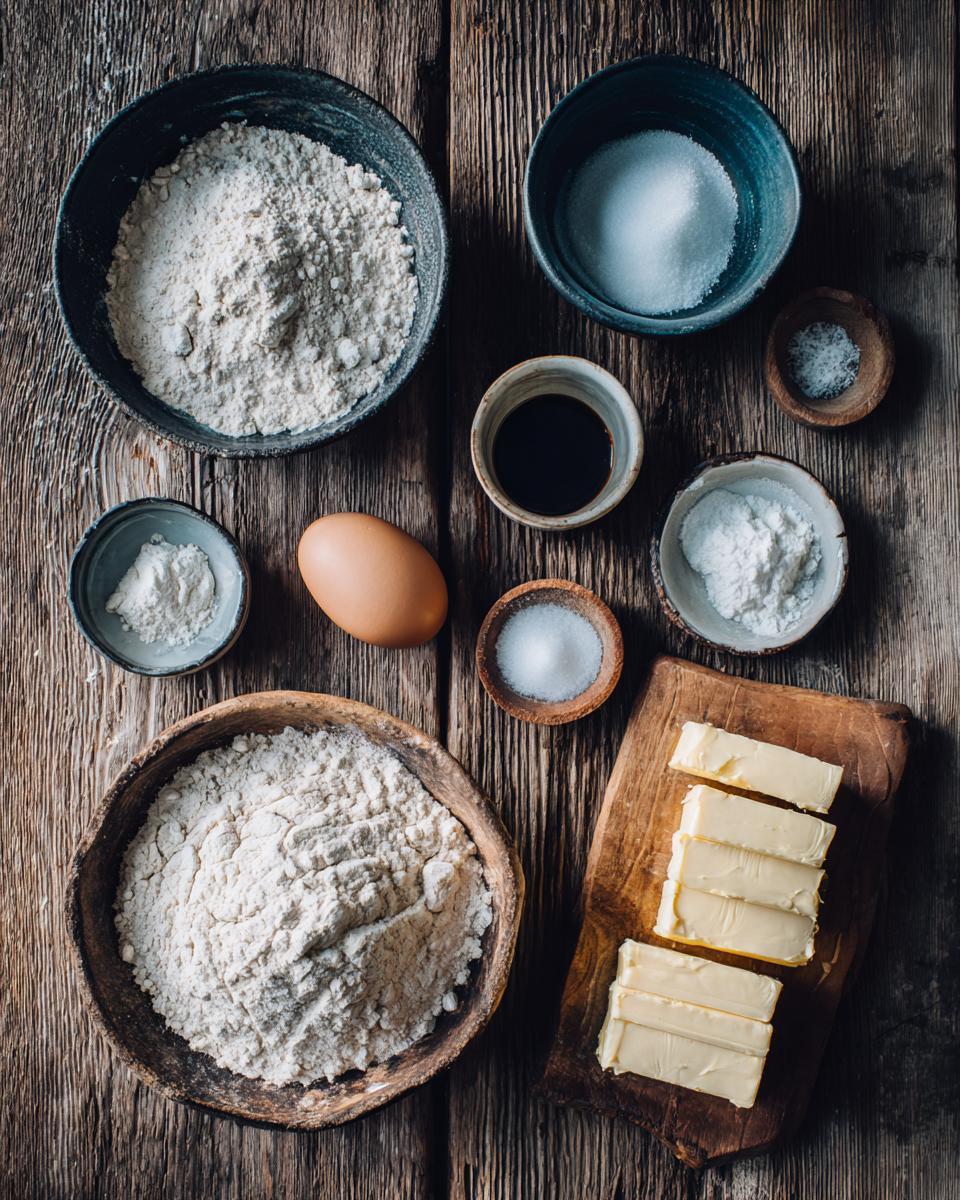
Okay, let’s get down to the good stuff – what you’ll need to make these incredible Sourdough Croissants! Don’t fret, it’s mostly pantry staples, but each ingredient plays a crucial role in building those beautiful layers and that amazing flavor. Think of them as the building blocks of deliciousness. I’ve tried to be super specific here because, with baking, especially sourdough, those little details really do matter!
- Active Sourdough Starter (100% hydration): This is our magic ingredient, giving us that lovely tang and helping with the rise. Make sure it’s bubbly and active!
- Cold Water: Helps control the dough temperature, which is super important.
- Granulated Sugar: A touch of sweetness and helps with browning.
- Fine Sea Salt: Essential for flavor and dough structure – don’t skip it!
- Bread Flour: Higher protein content means better gluten development for that flaky texture.
- Unsalted Butter (softened): For the dough itself, adding richness.
- Cold Unsalted Butter (for laminating): This is the star of the show for those layers! European-style butter is fantastic if you can find it.
- Egg: Just one, beaten, for that gorgeous golden egg wash.
Preparing Your Sourdough Croissants Ingredients
Before you even think about mixing, take a moment to get everything ready. It makes the whole process so much smoother! First, make sure your sourdough starter is active and happy – feed it a few hours before you plan to start your dough. For the butter block, you’ll want to take that cold butter and, using parchment paper, roll it out into a neat 6×6 inch square. Pop it back in the fridge to firm up while you make your dough. Pre-measuring everything really helps!
Sourdough Croissants Ingredient Notes and Substitutions
A super active starter is key to getting a good rise and that signature sourdough flavor. If your starter isn’t quite ready, give it another feeding or two! For the butter, I really, *really* recommend using high-quality unsalted butter for laminating; it makes a huge difference in flavor and how easily it rolls out. If you don’t have bread flour, all-purpose will work, but your croissants might be a little less chewy. And always use cold water for the dough to keep things chill!
How to Prepare Sourdough Croissants
Alright, this is where the real fun begins! Don’t be intimidated by the steps; we’re breaking it all down so you can conquer these Sourdough Croissants like a pro. Patience is your best friend here, especially with sourdough. Just take it one step at a time, and you’ll be rewarded with incredible results!
- Mix the Dough: In a big bowl, grab your active sourdough starter, that cold water, sugar, and salt. Give it a good whisk until everything’s dissolved. Then, toss in your bread flour and the softened butter. Mix it just enough until it forms a shaggy, somewhat messy dough. Seriously, do *not* overmix here; we want to develop the gluten gently.
- Rest and Fold (The Gentle Part): Cover that bowl and let your dough chill out at room temperature for about 30 minutes. After that, you’re going to do a series of “stretch and folds.” This is super easy: grab a piece of the dough, stretch it up, and fold it over itself. Rotate the bowl and repeat. Do this every 30 minutes for 2 hours (that’s 4 sets total). You’ll feel the dough get smoother and stronger with each fold.
- Overnight Chill: After your last stretch and fold, cover the bowl tightly and pop it into the fridge. Let it hang out there for 8-12 hours, or even overnight. This long, cold fermentation is crucial for flavor development and making the dough easier to work with.
- Butter Block Prep: While your dough is chilling, get your cold laminating butter ready. Place it between two sheets of parchment paper and roll it into a neat 6×6 inch square. Make sure it’s even! Back into the fridge it goes until it’s firm and ready to meet the dough.
- Encasing the Butter: On a lightly floured surface, roll out your chilled dough into a 12×12 inch square. Now, here’s a trick: place your firm butter block in the center of the dough, but rotate it 45 degrees so its corners point to the middle of each side of your dough square. Fold the dough corners over the butter, like an envelope, sealing it completely. Pinch the seams really well so no butter peeks out.
- First Turn (Lamination Begins!): Gently roll the butter-encased dough into a 10×20 inch rectangle. Now, fold it into thirds, just like you’d fold a business letter. Wrap it up and refrigerate for 30 minutes.
- Repeat and Rest: You’ll do two more of these rolling and folding “turns.” Each time, roll it out, fold it into thirds, wrap, and chill for 30 minutes. This creates all those amazing layers!
- Final Chill: After the third turn, give the dough a good, long rest in the fridge for at least 2 hours, or even overnight again. This allows the gluten to relax and the butter to firm up completely.
- Shape ‘Em Up: Take out your well-rested dough. On a lightly floured surface, roll it out into a large rectangle, aiming for about 1/8 inch thick. Now, unleash your inner baker and cut the dough into triangles. Make a small incision at the base of each triangle.
- Roll and Proof: Gently roll each triangle from its wide base all the way to the point, forming that classic croissant shape. Place them on a baking sheet lined with parchment, giving them plenty of space. Now, for the final rise: let them proof at room temperature for 2-4 hours. They should look visibly puffy and jiggly – don’t rush this!
- Bake Time: Preheat your oven to 400°F (200°C). Brush those beautiful, proofed croissants with your beaten egg wash.
- Golden Perfection: Bake for 15-20 minutes, or until they’re gloriously golden brown and puffed up like little pillows.
- Cool Down: Let them cool on a wire rack for a few minutes. Then, dig in!
The Art of Laminating Sourdough Croissants Dough
Lamination is truly the heart of Sourdough Croissants, where all those amazing layers come from! The absolute secret here is keeping everything COLD. I mean it! If your butter gets too warm and starts oozing out, don’t panic, but pop it back in the fridge for a bit. Work quickly and confidently, rolling evenly to spread that butter between the dough layers. Each “turn” builds more and more of that incredible flakiness we’re after!
Shaping and Proofing Your Sourdough Croissants
Shaping is where your croissants really come to life! Don’t be afraid to stretch the dough a little as you roll from the base, making sure to keep an even tension. And proofing? Oh, that’s crucial! You want them to almost double in size, looking soft and delicate, like they’re ready to burst. If your room is a bit cool, find a slightly warmer spot, but avoid anything too hot, or your butter might melt out!
Tips for Perfect Sourdough Croissants
Okay, so you’ve done all the hard work, and your Sourdough Croissants are almost ready to shine! Here are a few of my go-to tips that I’ve picked up over the years. These little nuggets of wisdom really help push your croissants from “good” to “OMG, these are amazing!” Trust me, a little extra attention to these details can make all the difference.
- Keep it Cold: I cannot stress this enough! Cold dough and cold butter are your best friends. If at any point your dough feels warm or the butter is squishing out, pop it back in the fridge for 15-20 minutes. Patience is a virtue here!
- Don’t Be Afraid to Flour: A lightly floured surface prevents sticking, but don’t go overboard. Too much flour can make your dough tough. Just enough to keep things moving smoothly.
- Even Rolling: Try to roll your dough as evenly as possible during lamination. This ensures consistent layers and a beautiful final product.
- Gentle Hands: Treat your dough with care, especially during shaping and proofing. It’s delicate, and you want to preserve all those lovely air pockets.
- Know Your Oven: Ovens can be quirky! Keep an eye on your croissants, especially during the last few minutes of baking, to prevent over-browning.
Ensuring Success with Sourdough Croissants
The most common pitfall? Warm butter! It melts into the dough instead of creating those distinct layers. So, if it feels sticky, chill it! Another one is under-proofing; your croissants need to be super puffy before baking for that airy interior. Don’t rush it! And please, use an active, bubbly starter – a sleepy starter means sleepy croissants.
Serving and Storing Sourdough Croissants
You’ve worked hard, and now it’s time for the best part – enjoying your glorious Sourdough Croissants! Honestly, they’re perfect straight out of the oven, maybe with just a smear of good butter or your favorite jam. They also make an incredible base for a fancy breakfast sandwich with some scrambled eggs and cheese. For storing, once they’re completely cool, pop them into an airtight container. They’ll stay lovely at room temperature for a day or two, though they’re definitely best on day one!
Enjoying and Preserving Your Sourdough Croissants
To keep them tasting fresh beyond a couple of days, you can actually freeze them! Once fully baked and cooled, wrap them individually in plastic wrap, then place them in a freezer-safe bag. When you’re ready for a treat, just pop a frozen croissant directly into a preheated oven (around 350°F or 175°C) for about 10-15 minutes until warmed through and crispy again. It’s like magic!
Sourdough Croissants: Frequently Asked Questions
I get a lot of questions about making sourdough pastries, and Sourdough Croissants are no exception! It’s totally normal to have a few head-scratchers along the way, especially with a recipe that feels a bit more involved. So, I’ve gathered some of the most common questions I hear to help you on your journey to perfect, flaky bliss. Don’t be shy; we’ve all been there!
Common Questions About Sourdough Croissants
The number one question I get is always about the starter! You absolutely need an active, bubbly sourdough starter for these croissants to work their magic. If your starter isn’t doubling after a feeding, it might be a bit sluggish. Give it a few extra feeds until it’s super vigorous. A strong starter means good rise and that lovely tangy flavor in your Sourdough Croissants!
Troubleshooting Your Sourdough Croissants
If your Sourdough Croissants turn out dense, it’s usually one of two things: either your starter wasn’t active enough, or your proofing environment wasn’t quite right. Make sure your proofing space is warm enough for them to puff up properly. If the butter leaked out during lamination, your butter might have been too warm, or your dough wasn’t cold enough. Just pop it back in the fridge for a bit to firm up!
Estimated Sourdough Croissants Nutritional Information
Just a quick note on the nutrition for these Sourdough Croissants – it’s always good to have a general idea, right? Per serving (that’s one croissant, my friend!), you’re looking at around 250 calories, 18g of fat (hello, butter!), 20g of carbs, and about 5g of protein. Keep in mind these are just estimates, and they can totally vary depending on your exact ingredients and how big you roll ’em!
Share Your Sourdough Croissants Experience
So, you’ve baked them, you’ve tasted them, and hopefully, you’re as obsessed as I am! I’d absolutely LOVE to hear about your Sourdough Croissants adventure. Did you nail those layers? What’s your favorite way to enjoy them? Drop a comment below, rate the recipe, or even better, snap a pic and share your beautiful creations on social media! Tag me, I can’t wait to see them!
PrintSourdough Croissants Recipe

Flaky, buttery croissants made with sourdough starter for a unique flavor and texture.
- Prep Time: 4 hours
- Cook Time: 20 minutes
- Total Time: 16 hours 20 minutes
- Yield: 12 croissants 1x
- Category: Breakfast
- Method: Baking
- Cuisine: French
- Diet: Vegetarian
Ingredients
- 100g active sourdough starter (100% hydration)
- 100g cold water
- 12g granulated sugar
- 8g fine sea salt
- 250g bread flour
- 30g unsalted butter, softened
- 150g cold unsalted butter, for laminating
- 1 egg, beaten, for egg wash
Instructions
- In a large bowl, combine the sourdough starter, cold water, sugar, and salt. Mix until the sugar and salt are dissolved.
- Add the bread flour and softened butter. Mix until a shaggy dough forms. Do not overmix.
- Cover the bowl and let it rest at room temperature for 30 minutes.
- Perform a series of stretch and folds every 30 minutes for 2 hours (4 sets total).
- After the last stretch and fold, cover the bowl and refrigerate for 8-12 hours, or overnight.
- Prepare the butter block: Place the cold butter between two sheets of parchment paper. Roll it into a 6×6 inch square. Refrigerate until firm.
- On a lightly floured surface, roll out the chilled dough into a 12×12 inch square.
- Place the butter block in the center of the dough, rotated 45 degrees so the corners point to the sides of the dough. Fold the dough corners over the butter block to encase it completely.
- Roll the dough into a 10×20 inch rectangle.
- Perform the first turn: Fold the dough into thirds, like a business letter. Wrap in plastic and refrigerate for 30 minutes.
- Repeat the rolling and folding process two more times, refrigerating for 30 minutes between each turn.
- After the final turn, refrigerate the dough for at least 2 hours, or overnight.
- Roll out the chilled dough into a large rectangle, about 1/8 inch thick.
- Cut the dough into triangles. Make a small incision at the base of each triangle.
- Gently roll each triangle from the base to the point, forming the croissant shape.
- Place the croissants on a baking sheet lined with parchment paper, leaving space between them.
- Proof the croissants at room temperature for 2-4 hours, or until visibly puffy and jiggly.
- Preheat oven to 400°F (200°C).
- Brush the proofed croissants with the beaten egg wash.
- Bake for 15-20 minutes, or until golden brown and puffed.
- Let cool on a wire rack before serving.
Notes
- Ensure your sourdough starter is active and bubbly for the best results.
- Keep the dough and butter cold throughout the lamination process to prevent the butter from melting.
- Adjust proofing time based on your room temperature; warmer environments will proof faster.
- For a richer flavor, you can use high-quality European-style butter.
Nutrition
- Serving Size: 1 croissant
- Calories: 250
- Sugar: 8g
- Sodium: 180mg
- Fat: 18g
- Saturated Fat: 11g
- Unsaturated Fat: 5g
- Trans Fat: 0.5g
- Carbohydrates: 20g
- Fiber: 1g
- Protein: 5g
- Cholesterol: 45mg